
The global business landscape is entering a transformative phase as technology giants and multinational corporations accelerate investments in artificial intelligence, infrastructure, and regional leadership. Recent announcements from Nvidia and Hyundai Motor India highlight how companies are reshaping their long-term strategies to stay competitive in an increasingly innovation-driven economy.
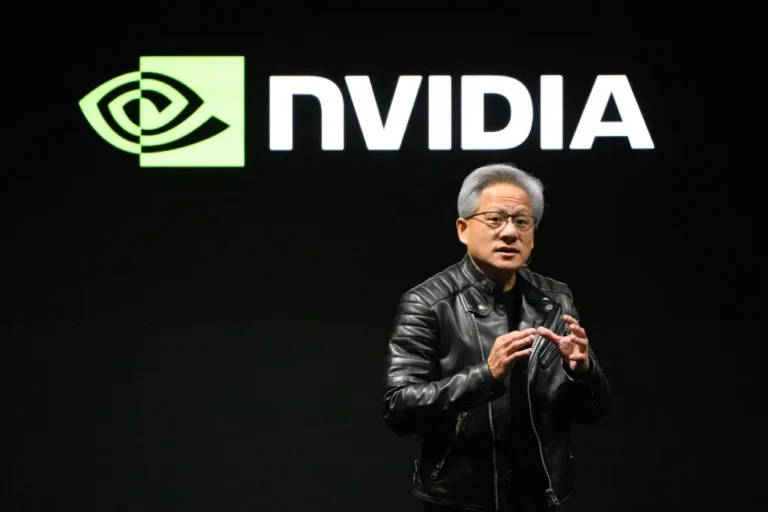
Nvidia CEO Jensen Huang recently revealed the company’s ambitious plans to expand AI infrastructure on a massive scale, reinforcing Nvidia’s position at the center of the global artificial intelligence revolution. The company is expected to invest heavily in semiconductor production, AI computing systems, and next-generation data center technologies that will support the growing demand for advanced AI applications across industries.
Huang emphasized that the future of computing will be powered by AI factories — large-scale infrastructures designed specifically to train and deploy artificial intelligence models. These investments are expected to strengthen Nvidia’s dominance in sectors including cloud computing, robotics, autonomous vehicles, healthcare, and enterprise software. Industry experts believe the company’s aggressive expansion strategy could further accelerate the worldwide adoption of AI technologies.
At the same time, India is witnessing a major shift in corporate leadership representation. Tarun Garg recently became the first Indian national to take charge as Managing Director and CEO of Hyundai Motor India, marking a historic milestone for the automotive giant. His appointment reflects the increasing importance of local leadership in driving business growth and market strategy within one of the world’s fastest-growing economies.
The rise of Indian executives in global corporations signals a broader trend where multinational companies are empowering regional leaders who possess deeper market understanding and consumer insights. This approach allows businesses to build stronger local connections while maintaining global operational standards.
Together, these developments highlight two defining trends shaping the future of business: rapid technological transformation through artificial intelligence and the emergence of regional leadership in global organizations. Companies are no longer focusing solely on digital adoption — they are building complete AI ecosystems while also restructuring leadership to align with local market dynamics.

As industries continue evolving, organizations that successfully combine innovation, infrastructure investment, and strategic leadership are expected to lead the next generation of global growth. With Nvidia driving the AI revolution and leaders like Tarun Garg redefining corporate leadership in India, the business world is witnessing a powerful shift toward a more technology-driven and globally connected future.